Graffiti vandalism isn’t just an eyesore—it’s a costly problem that strikes Auckland properties without warning. What many property owners don’t realise is that the method they choose to remove it can either restore their surface flawlessly or cause permanent damage worth thousands in repairs. Using the wrong graffiti removal method on weatherboards, brick, concrete, or render can etch surfaces, strip paint, or leave scarring that’s harder to fix than the original vandalism.
The key to effective, damage-free removal lies in matching the right technique to your specific surface type. Pressure washing works brilliantly on concrete driveways but can ruin soft render; chemical removers suit some materials but fail on others; and professional waterblasting offers precision that DIY approaches simply can’t match. Beyond removal, protective coatings stop repeat vandalism before it starts, saving you time and money long-term.
This guide walks you through proven graffiti removal techniques for every surface, shows you when to DIY and when to call the professionals, and reveals how preventative solutions protect your Auckland property from future attacks. Let’s explore how to restore your surfaces safely and keep them graffiti-free.
- Match removal method to surface type to prevent permanent damage: Weatherboards, brick, concrete, and render each require different techniques—pressure washing can harm soft surfaces, whilst abrasive methods work best on concrete.
- Professional waterblasting outperforms DIY methods for safe, complete removal: Controlled pressure and temperature protect surfaces whilst eliminating graffiti thoroughly, avoiding the risk of etching, scarring, or paint stripping from incorrect techniques.
- Anti-graffiti coatings stop repeat vandalism before it starts: Protective sealers make future removal easier and faster, reducing long-term restoration costs for Auckland properties.
- Chemical removers and solvents require careful surface testing: Not all solutions suit every material—testing on inconspicuous areas first prevents irreversible damage to your property’s finish.
Understanding Graffiti Removal Methods for Different Surfaces
Graffiti removal in Auckland requires far more than simply scrubbing away visible paint. The real differentiator between successful restoration and permanent damage lies in understanding substrate porosity combined with our region’s humid, coastal climate. Property owners and facilities managers who choose the wrong graffiti removal method often discover too late that they’ve locked pigment deeper into the surface or stripped protective coatings, creating restoration costs that far exceed the original vandalism. This guide examines the most effective graffiti removal techniques for Auckland’s diverse building surfaces and explains why matching the right method to your specific substrate is non-negotiable.
The Impact of Surface Porosity on Graffiti Adhesion
Different surfaces absorb graffiti paint differently. Porous materials like weatherboard and render act like sponges, allowing spray paint pigments to penetrate deeply into their fibres. Auckland’s coastal humidity exacerbates this problem—moisture vapour encourages paint adhesion and accelerates the chemical bonding between graffiti ink and the substrate. When you apply the wrong removal method to a porous surface, you’re not just failing to remove the tag; you’re potentially driving the pigment further inward or stripping away the protective paint layer that shields the underlying material from weather damage.
Non-porous surfaces like concrete and metal present different challenges. Here, graffiti sits on the surface rather than penetrating it, but removal still requires precision to avoid micro-scarring that compromises the finish and creates moisture traps.
Pressure Washing: When It Works and When It Doesn’t
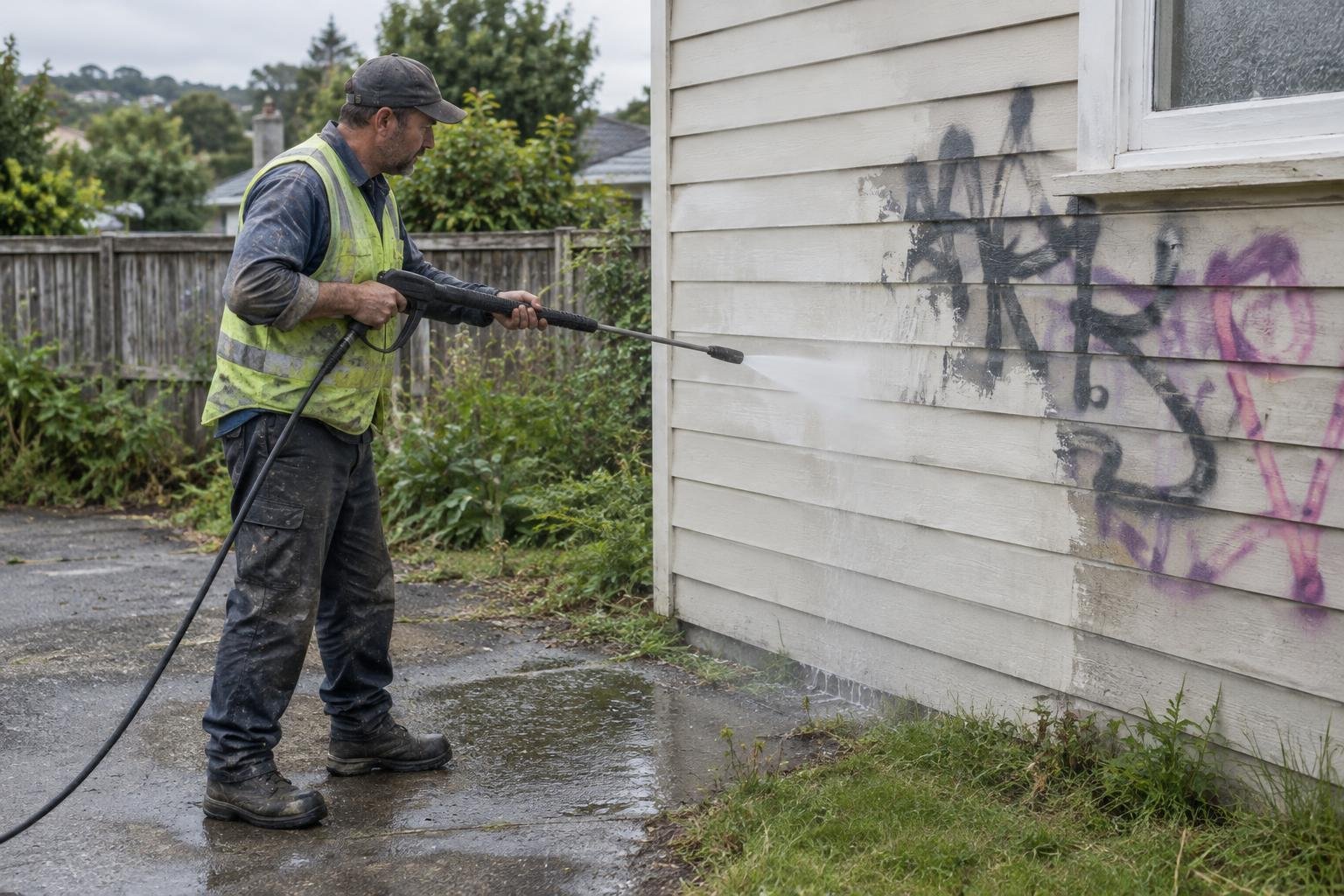
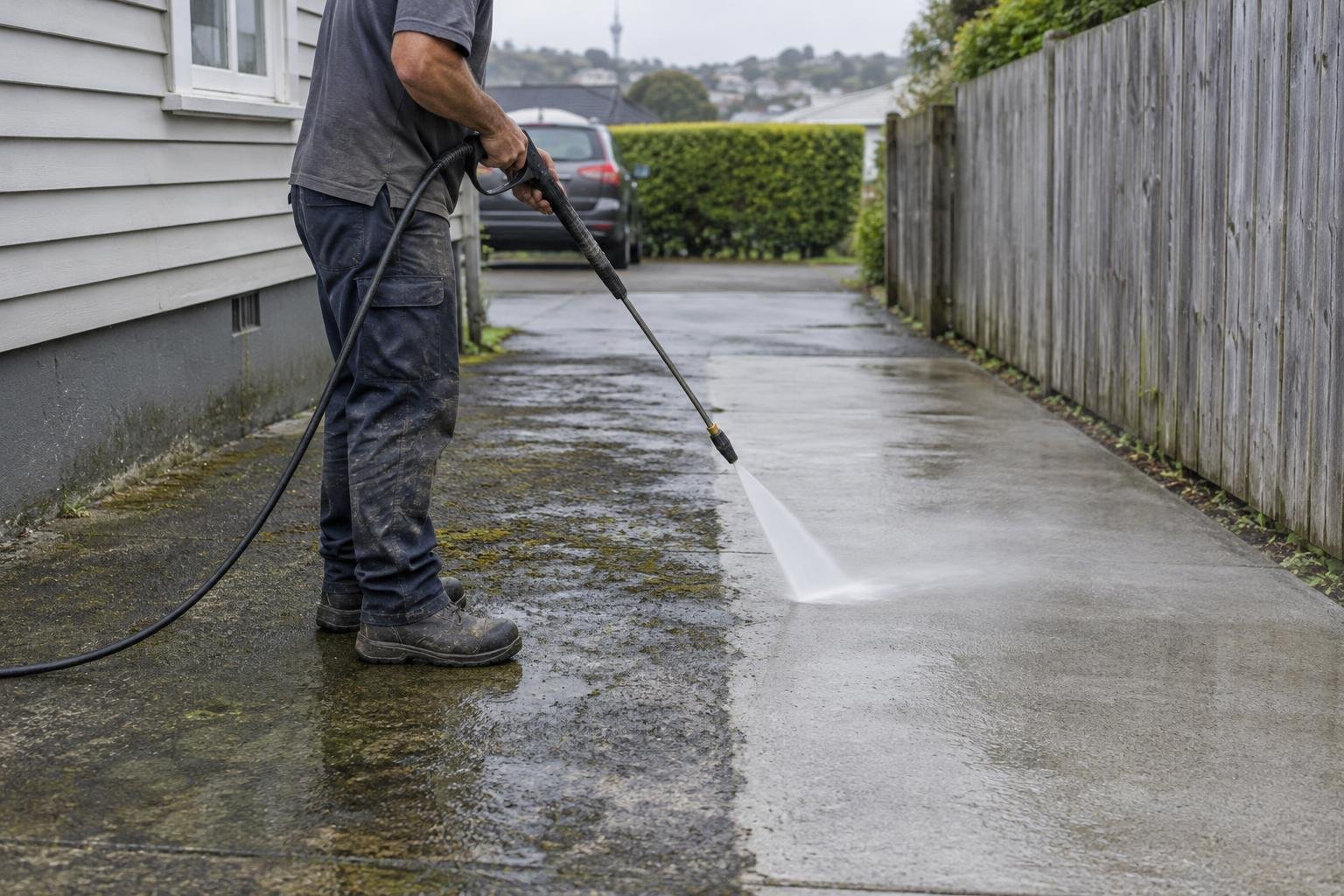
High-pressure water is an effective tool for concrete and metal surfaces, but it’s a common mistake to assume it’s safe for all materials. Pressure washing graffiti from concrete driveways at 2,500–3,500 PSI generally works well, but the same approach on weatherboard or render causes catastrophic damage. The force drives moisture into timber and render, leading to rot, delamination, and mould growth that becomes visible weeks or months later. Softer washing techniques protect delicate surfaces whilst still achieving excellent results when applied correctly.
The critical factor is understanding that Auckland’s coastal conditions mean moisture penetration through damaged surfaces leads to rapid deterioration. Any pressure washing technique must account for the material’s ability to withstand force and dry thoroughly before winter months arrive.
Chemical Removers: Testing Before Full Application
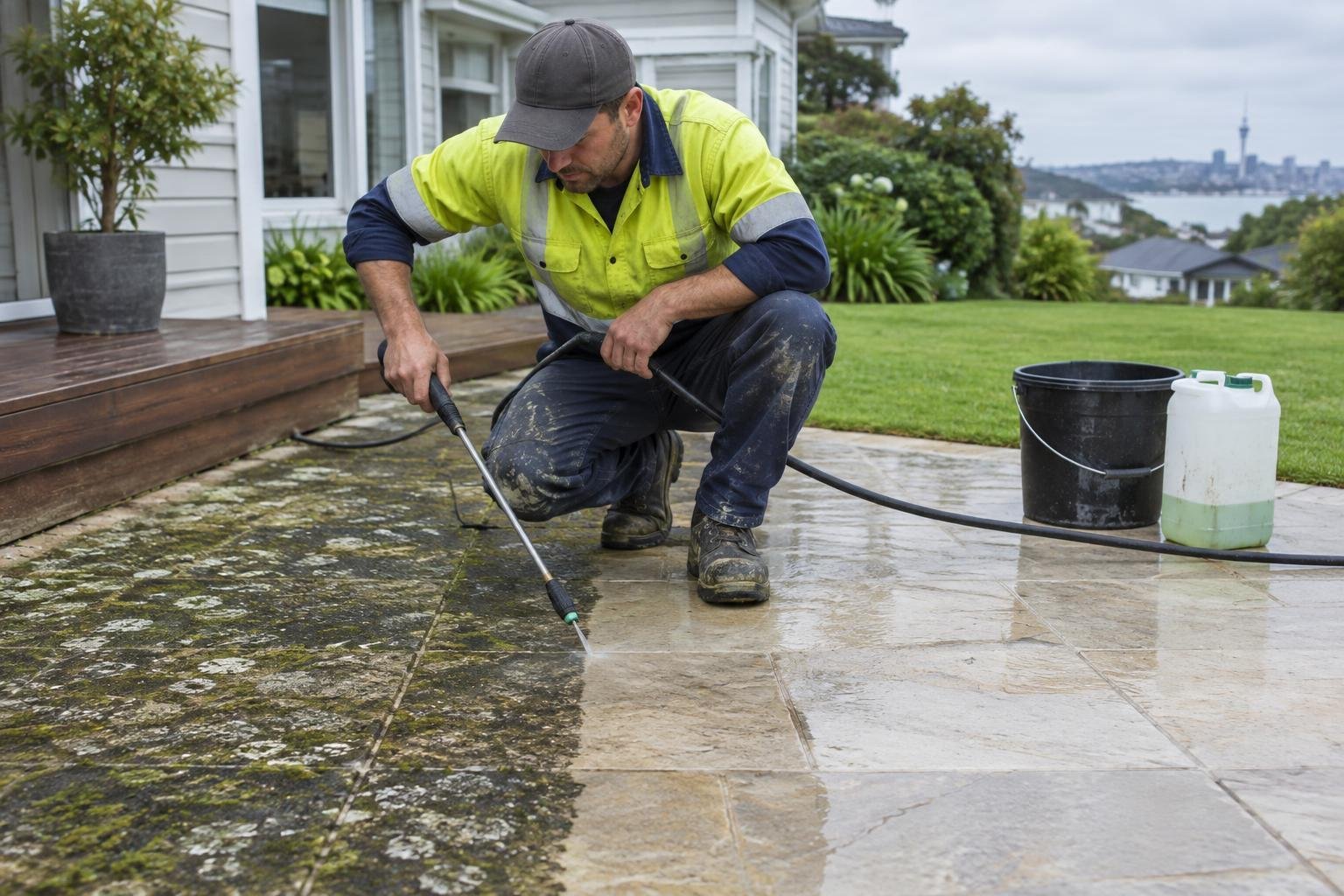
Chemical graffiti removers work by dissolving or lifting paint particles from the surface. The challenge is selecting a formulation appropriate to your substrate. Some solvents are aggressive and strip protective coatings; others work only on specific paint types. Before applying any chemical remover to weatherboard or render, test a small, inconspicuous area first. Apply the solution, wait the recommended time, and rinse thoroughly. This reveals whether the chemical will damage the underlying paint or cause discolouration.
For concrete surfaces, chemical removers offer excellent results without water damage concerns. However, always follow manufacturer instructions regarding dwell time and neutralisation—incomplete rinsing leaves residues that attract new graffiti and can stain the surface over time.
Surface-Specific Removal Strategies
Weatherboard: Avoid pressure washing and abrasive methods entirely. These split timber, breach paint seals, and invite moisture damage. Instead, use mild chemical removers or gentle hand-scrubbing with appropriate solvents. The goal is to dissolve paint without compromising the protective coating.
Brick and Render: These porous materials require cautious treatment. Low-pressure washing at 1,500 PSI or less may be acceptable for sturdy brick, but render demands gentler techniques. Chemical removers work well on both, provided you test first. Never use abrasive blasting on render—it permanently scars the surface and destroys weather protection.
Concrete: Pressure washing at 2,500–3,500 PSI is safe and effective. Professional concrete driveway cleaning methods ensure thorough pigment removal without damaging the surface structure.
Metal Surfaces: Pressure washing works well for steel and aluminium. Keep pressure moderate (2,000–3,000 PSI) to avoid pitting. Chemical removers dissolve paint effectively but may leave residues, so thorough rinsing is essential.
Professional Waterblasting: The Gold Standard
Professional waterblasting services deliver precision pressure control that adapts to surface porosity, material type, and Auckland’s specific environmental conditions. Experts assess substrate vulnerability, select appropriate pressure settings, and employ specialised techniques that remove graffiti completely without compromising surface integrity. For high-rise buildings or difficult-to-access areas, abseil graffiti cleaning combines safety with thorough results.
Prevention: Anti-Graffiti Coatings for Long-Term Protection
After professional removal, applying anti-graffiti coatings protects surfaces from future vandalism and simplifies future cleaning. These coatings create a sacrificial barrier—graffiti sits on the coating rather than bonding to your surface, making removal faster and preventing permanent damage. For Auckland property owners, investing in protective coatings after removal represents excellent value over five to ten years. Contact professional graffiti removal in Auckland to discuss coating options tailored to your surface type and location.
Protect Your Property With the Right Graffiti Removal Approach
Successful graffiti removal in Auckland demands more than enthusiasm—it requires matching your removal method to your surface type and respecting our coastal climate’s moisture challenges. Using pressure washing on weatherboard or applying harsh chemicals without testing risks permanent damage that far exceeds the original vandalism cost. Surface porosity, substrate vulnerability, and environmental conditions all determine whether your property emerges restored or compromised.
Professional waterblasting services eliminate guesswork by delivering precision pressure control and expertise tailored to Auckland conditions. Beyond removal, investing in anti-graffiti coatings protects your surfaces long-term, transforming a costly problem into manageable maintenance.