A fence can lose its clean lines to Auckland’s persistent damp weather—yet scrubbing alone rarely removes deep-rooted algae, mould and embedded grime. That hidden layer affects more than appearance: it can trap moisture, dull finishes and leave timber or colour steel looking neglected.
Professional fence cleaning East Auckland restores the finish without treating every surface the same. Controlled soft washing gently cleans timber and colour steel, while carefully managed waterblasting tackles stubborn growth with pressure adjusted to protect boards, coatings and fixings.
Let’s explore how the right method, eco-conscious solutions and a sensible cleaning schedule can transform your fence—then show you how to choose a fast, reliable waterblasting service suited to East Auckland homes.
- Restore a dramatic, welcoming finish: Professional fence cleaning East Auckland removes built-up grime, moss, mould, algae and weather stains, instantly improving kerb appeal and the overall look of your property.
- Choose the right cleaning method for each surface: Soft washing offers a gentle, controlled clean for timber and colour steel, while carefully managed waterblasting can remove stubborn growth without damaging boards, coatings or fixings.
- Tackle Auckland’s persistent damp conditions: Humid East Auckland weather encourages green algae and black mould, making scheduled cleaning essential for keeping fences healthy, attractive and well-maintained.
- Protect your fence with regular maintenance: Eco-conscious cleaning solutions that are safe around gardens and pets, combined with appropriate cleaning intervals, help preserve timber, colour steel finishes and long-term property value.
Why East Auckland Fences Need Regular Cleaning
East Auckland fences face a demanding combination of humidity, persistent rain, shade and coastal exposure. Moisture settles on timber and creates conditions for moss, lichen and algae, while salt-laden air from the Hauraki Gulf and Tamaki coastline can contribute to corrosion on metal fencing. Leafy, sheltered areas such as Howick, Pakuranga and Botany are particularly prone to damp, shaded surfaces where vegetation remains wet for long periods.
This combination differs from a generic Auckland-wide clean. Coastal properties need close attention to metal fixings and coated surfaces, while damp suburban boundaries may require more frequent moss treatment. Regular fence cleaning East Auckland property owners rely on helps remove visible buildup and maintain a tidy presentation. It can improve kerb appeal Auckland homes notice, although cleaning alone should not be presented as a direct measure of increased property value.
Soft Washing vs High-Pressure Waterblasting for Fences
Soft wash fence cleaning applies a controlled cleaning solution before the surface is rinsed. It is often better suited to aged timber, painted or stained finishes, and colour steel because the operator can loosen grime without directing excessive force at the coating.
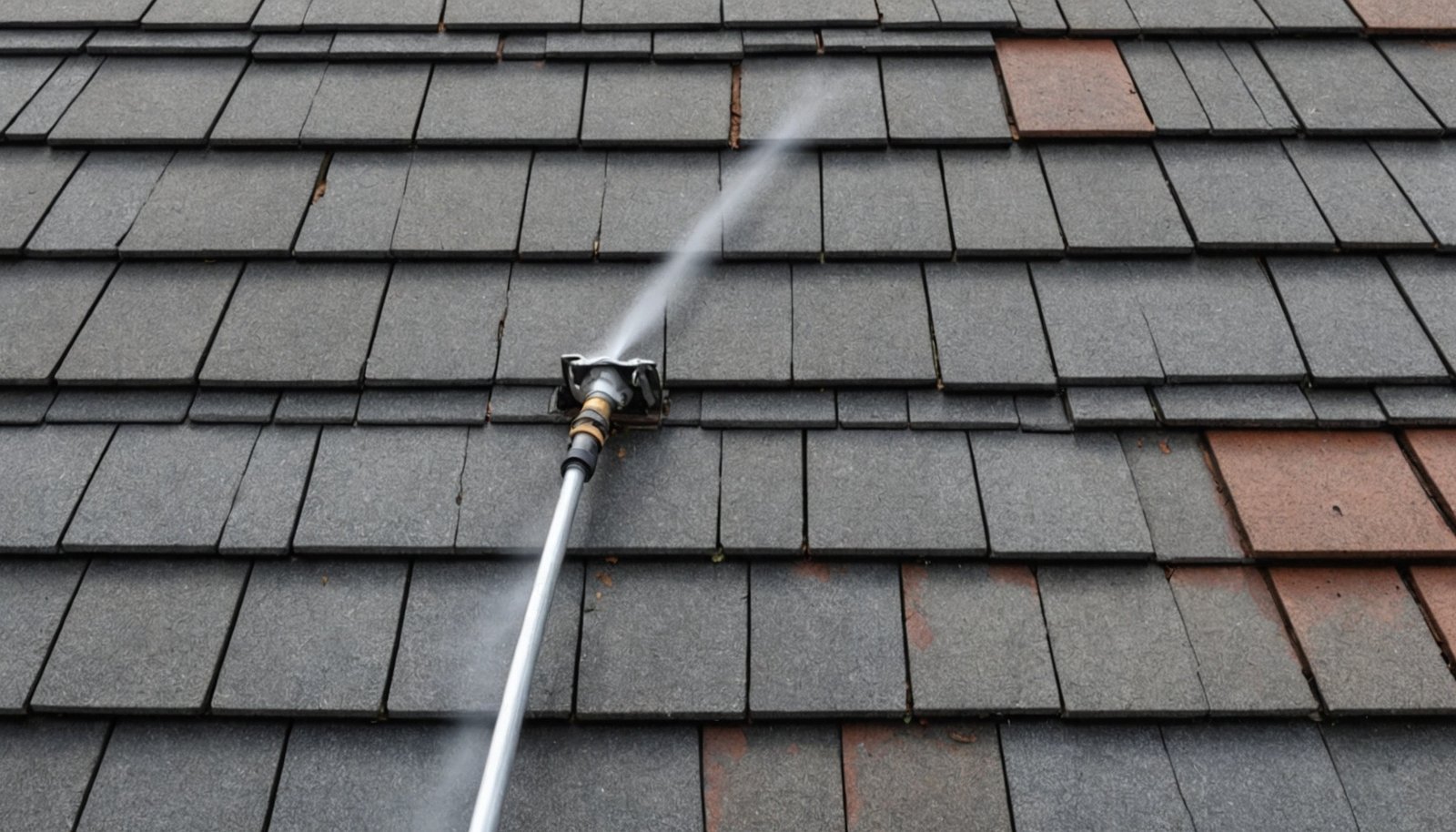
Carefully managed waterblasting is effective for stubborn dirt and embedded growth on robust timber. Pressure, nozzle type, working distance and technique must be adjusted to the material. Excessive pressure can:
- Strip stain or paint from timber.
- Leave grooves or fuzzy patches in weathered boards.
- Scratch colour steel coatings or expose metal.
- Loosen fixings, joints or already damaged panels.
The correct method is determined by the fence itself, not simply by how dirty it appears. This makes professional fence waterblasting Howick Pakuranga Botany a surface-specific process rather than a one-size-fits-all service.
Removing Moss, Mould, Algae and Weather Stains
Green algae commonly develops where timber stays damp and receives limited sunlight. Black mould may follow persistent moisture, shade, dust and organic material on the fence surface. Lichen, weather staining and road grime can add a grey, brown or uneven appearance that makes an otherwise sound fence look neglected.
A controlled East Auckland pressure washing services process generally includes discreet testing, even application of a suitable treatment, the recommended dwell time, gentle agitation where appropriate, and thorough rinsing. Runoff must be directed away from gardens, paths and neighbouring property.
For targeted fence moss and mould removal Auckland work, the treatment is allowed to break down growth rather than being blasted away immediately. This often produces a more even result while reducing the risk of damaging the fence surface.
Timber Fence Restoration for a Cleaner Finish
Older or untreated timber may have a soft, weathered surface that responds poorly to aggressive pressure. Timber fence restoration should begin by identifying whether the board is bare, stained, painted or already deteriorating. If an existing finish is lifting, peeling or separating, cleaning cannot restore it; the damaged coating may need replacement after the timber has dried and been prepared.
Plant protection is important because loosened debris and cleaning solution can affect leaves, roots and nearby soil. Boards should also be checked for movement, rot and protruding nails before cleaning begins. Removing surface buildup is therefore different from stripping a deteriorated protective finish, and both should be identified during the initial assessment.
Colour Steel Fence Cleaning Without Damaging Coatings
Professional fence cleaning Auckland for colour steel should prioritise the coating. Soft washing is generally safer because it reduces the risk of scratching or thinning the finish, particularly around fasteners, joints, folds and exposed edges.
These areas collect salt and dirt and may show early signs of corrosion. Cleaning removes deposits and makes damage easier to identify, but it cannot guarantee corrosion prevention. Abrasive methods should be avoided where the coating is already scratched, chalking or worn, because further abrasion can accelerate the need for repair.
Eco-Friendly Exterior Cleaning Around Gardens and Pets
Responsible eco-friendly exterior cleaning does not mean making unsupported “chemical-free” or zero-impact claims. It means selecting an appropriate product, following its instructions, containing runoff and allowing the treated area to dry before normal use.
Plants should be protected before work starts, while pets, bowls, toys and children’s outdoor areas should be kept away from the treatment zone. Operators should also consider neighbouring boundaries and stormwater pathways. Product selection and technique must remain compatible with the timber stain, paint or colour steel coating.
How Often Should You Clean Your Fence in Auckland’s Humid Climate?
For most fences, a practical interval is every 12–24 months. Shaded boundaries, nearby trees, waterways, coastal exposure and visible growth may justify earlier attention. Rather than relying on the calendar alone, homeowners can inspect fences after periods of prolonged wet weather and arrange treatment when algae, moss or staining becomes obvious.
Between professional visits:
- Remove leaves and vegetation touching the fence.
- Keep drainage paths clear and redirect pooling water.
- Wash light dirt with low-pressure water and a suitable brush.
- Avoid abrasive pads, harsh pressure and unapproved household cleaners.
These simple steps reduce buildup without taking on the risks associated with an unsuitable cleaning method.
What to Expect from a Professional Fence Cleaning Service
A reliable operator should begin with an on-site assessment covering fence length, height, access, surface type, contamination and preparation needs. The quote should explain whether staining removal, coating care, vegetation protection and runoff management are included.
During fence washing East Auckland work, the upper sections should be treated before the lower ones so dirty runoff does not recontaminate completed areas. A thorough rinse and a final inspection should follow. Ask the operator how they will handle pre-existing coating damage, soft timber, inaccessible panels and areas where staining cannot be fully removed.
Further guidance is available in the waterblasting articles collection, helping property owners understand the process before requesting a tailored quote.
A Cleaner, Well-Maintained Fence Starts with the Right Method
East Auckland’s humid, coastal conditions can encourage moss, algae, mould and salt-related deterioration on timber and colour steel fences. Regular fence washing East Auckland property owners rely on helps preserve appearance and reveal early damage, while careful soft washing or controlled waterblasting protects vulnerable surfaces and coatings.
For most fences, cleaning every 12–24 months is practical, with shaded or coastal properties often needing earlier attention. Protect gardens, contain runoff and choose a surface-specific process for lasting results. Explore the waterblasting articles collection and arrange a professional assessment before the next clean.